Forum · Academic Paper · Political Philosophy
My Understanding of Democracy: An Overview
Przeworski’s summary of when elections can process conflict without violence, and where his own theory still fails.

Estudios Sociológicos de El Colegio de México · 2026 · Off-site
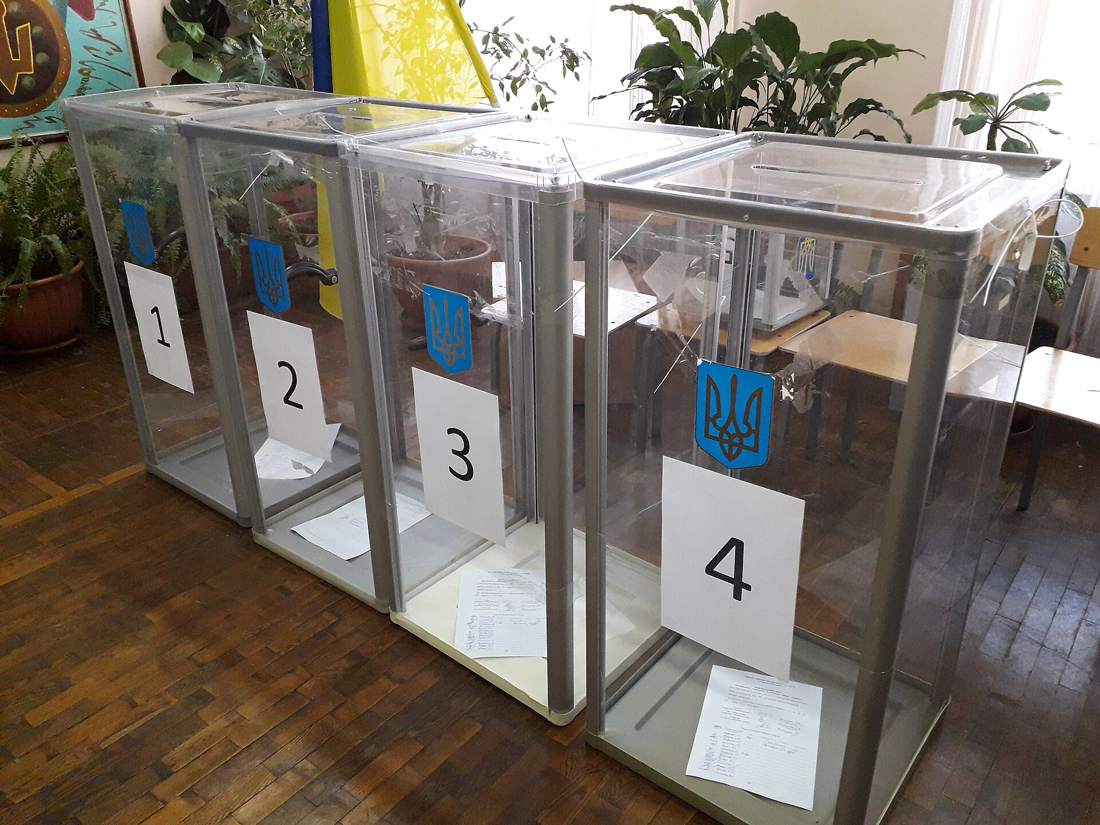
Ballot box. Photo: Tohaomg, CC BY-SA 4.0, via Wikimedia Commons.
Illustration chosen by Counterpart. It is not part of the original Estudios Sociológicos de El Colegio de México article.
External recommendation from Estudios Sociológicos de El Colegio de México. Full text not reproduced here; follow the original journal. Read the original →
CounterPart does not have the rights to reproduce the full text. This is a recommendation, not a CounterPart essay.
Read at Estudios Sociológicos de El Colegio de MéxicoRelated reading
Political Writing
NATO: Issues for the July 2026 Ankara Summit
Heads of state and government from the North Atlantic Treaty Organization's (NATO's) 32 members are scheduled to meet for a summit in Ankara, Turkey, on July 7-8, 2026. NATO Secretary General Mark Rutte has outlined thre
Congressional Research Service
Commentary
How Homeland Security’s subpoenas and databases of protesters threaten the ‘uninhibited, robust, and wide‑open’ free speech protected by Supreme Court precedent
The U.S. Department of Homeland Security is reportedly issuing administrative subpoenas to identify anonymous social media accounts that criticize U.S. Immigration and Customs Enforcement. Google,
Stephanie A. (Sam) Martin
Commentary
Who Decides What Is Democratic?
A short argument that calling something “democratic” depends on whether you hold a minimal or maximal view of the word.
Adam Przeworski
Now talk about it.
Debate this issue
Should the United States work to spread democracy abroad?
Discussion
Reply to this piece. You do not need to be published.
No discussion yet.
Create an account to reply or like.